
Why Brushing More Often Isn’t Fixing Your Pomeranian’s Coat
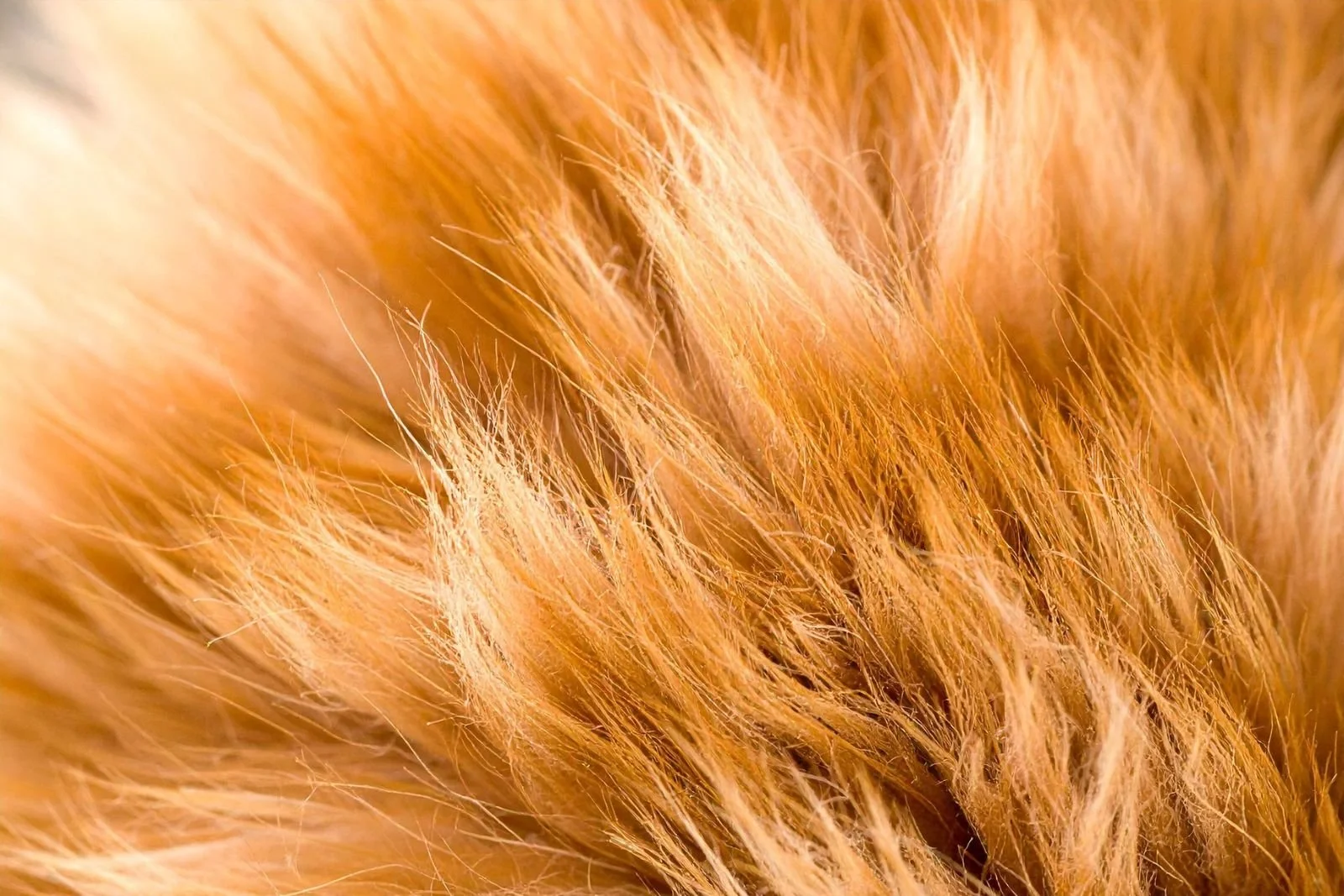
If you're brushing regularly and still finding mats, the instinct is to brush more. Longer sessions. Every morning instead of every few days. More time, more effort, more consistency — because what else is there to try?
I did exactly this with Beignet. A full week of daily brushing, longer than usual, because I was tired of his groomer having to cut mats out from behind his ears. They'd get big enough that cutting was the only option, and I felt like I was failing at something that should have been straightforward. So I committed: every morning, no skipping.
By the end of that week, the mats were still there. Beignet was annoyed. I gave up.
The problem wasn't my commitment to the routine. It was that I was brushing the wrong layer entirely.
Frequency isn't the variable
A Pomeranian's double coat has two distinct layers: the longer guard hairs on top and a dense, soft undercoat underneath. Mats don't start on the surface. They start in the undercoat, close to the skin, where shed hair gets trapped and tangles with healthy fur. The area behind the ears is one of the worst spots for this: high friction, hard to reach, easy to miss.
Most brushes, including the cheap slicker and pin brush I was using, physically can't reach that layer. The pins are too short or too flexible. They move through the guard hairs and create surface fluff without disturbing anything underneath. You can do that every morning for a week and the undercoat stays exactly as compacted as it was on day one.
More sessions with a brush that can't reach the undercoat isn't more brushing. It's the same ineffective brushing, repeated.
What actually changed
I don't even remember exactly why I bought the Chris Christensen Big G. I'd read something, or gone far enough down a Pomeranian forum that someone had mentioned it. But the difference was immediate enough that I remember the session clearly.
Beignet didn't struggle. The brush was moving through the outer coat and grabbing the loose undercoat underneath rather than dragging on the top layer. More fur came out than I was used to. Not in an alarming way, just noticeably more, which made sense given what had been sitting there.
The mats behind his ears didn't disappear overnight, but within a couple of weeks of brushing with a tool that actually reached them, they stopped being a grooming appointment problem. They still start to form (that spot will always be prone to it) but now a brushing session catches them early enough that they never get a chance to set. The groomer hasn't had to cut anything out since.
That's the difference between frequency and contact. One session with the right brush does more than a week of sessions with the wrong one.
→ The brush we use to consistently reach the undercoat without irritation
