
How to Brush a Pomeranian Puppy (Without Damaging the Coat Transition)
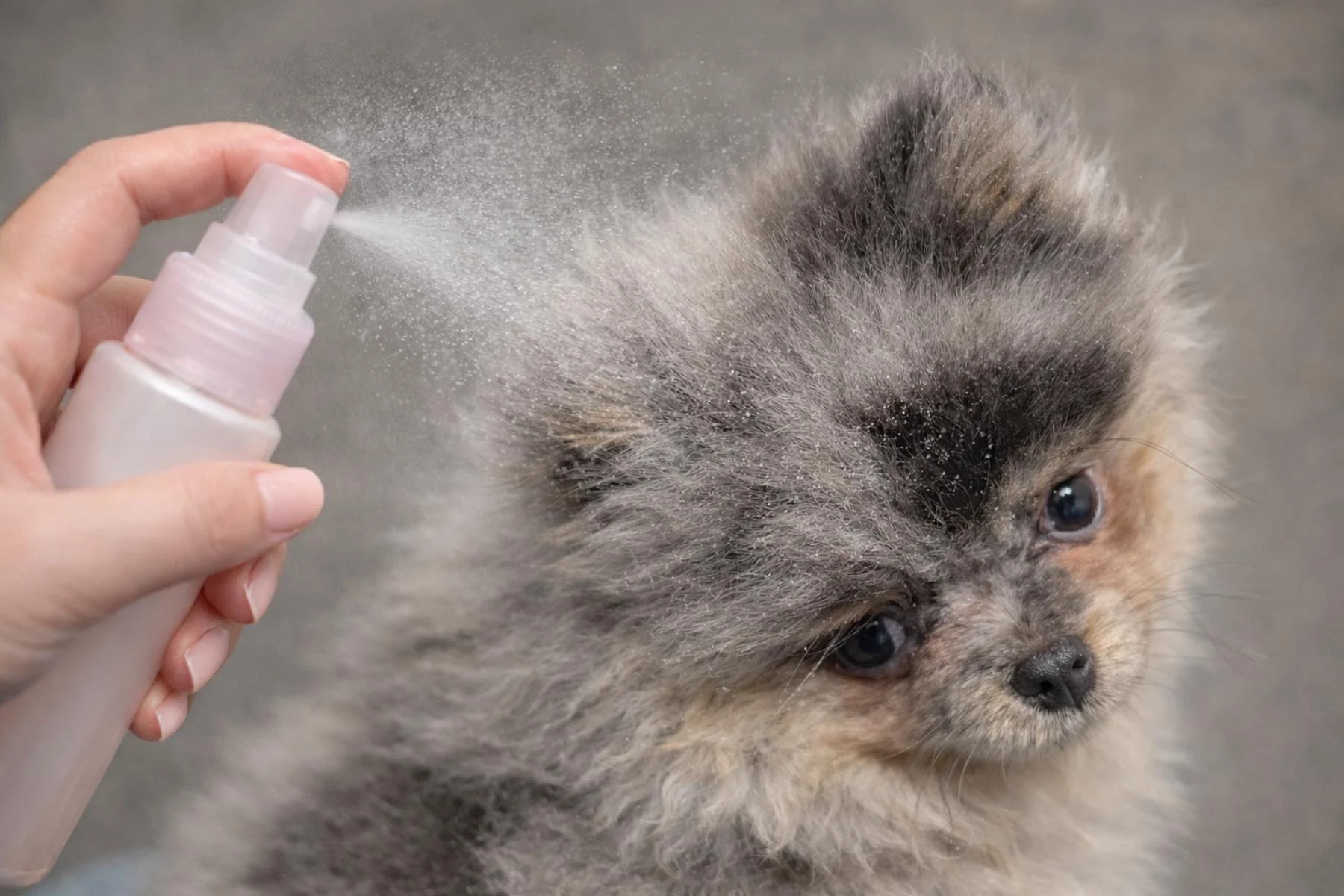
Gentle separation protects fragile new growth during coat transition
Brushing a Pomeranian puppy requires a different approach than brushing an adult Pom. During the coat transition phase (often called the “puppy uglies”), the soft puppy coat begins shedding while the adult double coat grows in. If you brush too aggressively, or use the wrong tool, you can damage emerging guard hairs and irritate sensitive skin.
In our experience raising multiple Pomeranians, the goal during puppyhood isn’t heavy deshedding. It’s coat separation, skin protection, and positive routine-building. Done correctly, brushing supports a healthy adult coat instead of disrupting it.
What Makes Puppy Coat Transition Different?
Pomeranian puppies are born with a soft, single-layer puppy coat. Around 4–6 months, that coat starts to shed unevenly while the adult double coat grows in.
During this stage:
The undercoat loosens in patches
Guard hairs begin pushing through
Texture becomes uneven and wispy
Skin is more exposed and reactive
This is when many owners panic and over-brush.
What we’ve found works consistently is reducing intensity, not increasing it.
Why This Happens (The Coat Mechanics)
The Pomeranian is a double-coated breed.
That means two distinct layers:
Undercoat: dense, insulating, cottony
Guard hairs (topcoat): longer, structured, protective
During transition, the undercoat releases first. New guard hairs are still fragile and developing their structure.
If you:
Use a short, stiff slicker
Brush dry without separation
Pull through tangles forcefully
You risk snapping emerging guard hairs before they mature. That can lead to uneven coat density long-term.
Transition isn’t coat failure. It’s restructuring.
Your job is to protect that restructuring.
The Right Way to Brush a Pomeranian Puppy
1. Always Use a Light Conditioning Mist
Dry brushing during coat transition creates friction and static.
We consistently use a light coating spray before brushing. It:
Reduces breakage
Allows bristles to glide
Protects fragile new growth
We personally use the Isle of Dogs Lush Coating Spray* because it provides slip without heaviness. The goal isn’t soaking, just a fine mist to soften resistance.
If you’re choosing a spray, look for:
Lightweight formula
No heavy oils
Designed for double coats
If you’re choosing one tool to upgrade during puppyhood, this is the one that consistently makes the biggest difference.
2. Use the Right Brush
When your puppy is young, you can use a short pin brush with the rounded pins. Puppy fur is thinner, lighter, and puppy skin is more sensitive.
However, once coat transition begins (usually around 4–6 months), a long-pin slicker becomes more appropriate than a short, dense puppy brush. Short pins sit at the surface and scrape skin during transition.
A long-pin slicker:
Reaches through soft undercoat
Separates layers gently
Avoids harsh scraping
You’re not digging. You’re lifting and releasing.
→ See our recommendation for the Best Brush for Pomeranians
3. Brush in Sections (Line Brushing, Light Version)
Even puppies benefit from early technique exposure.
Start at the back leg
Lift a small layer
Brush downward in short strokes
Move upward gradually
This prevents surface-only brushing, which leaves friction mats underneath.
Keep sessions short. Five calm minutes is better than twenty stressful ones.
4. Stop Before You Think You Should
Over-brushing is more damaging than under-brushing during transition.
If the coat feels airy and separated, you’re done.
You don’t need to remove every loose hair. Shedding is part of the process.
Common Mistakes During Puppy Coat Transition
1. Brushing harder because the coat looks messy
The uneven look is normal. Force won’t fix biology.
2. Switching to de-shedding tools too early
Undercoat rakes and heavy deshedders are unnecessary for most Pomeranian puppies.
3. Skipping spray because “it’s just a puppy”
Puppy coats are more fragile, not less.
4. Brushing only the surface
This creates friction mats behind ears, chest, and legs.
5. Bathing too frequently to “reset” the coat
Over-bathing can dry skin during transition.
If you want a deeper breakdown of tools that actually support coat health between grooming appointments, see our Grooming Tools That Actually Work for Pomeranians.
When to See a Professional
Most coat transition stages are normal and temporary.
However, consult a professional groomer or veterinarian if you notice:
Bald patches that don’t refill
Persistent redness or irritation
Severe matting close to the skin
Skin odor or discharge
Transition shedding should look uneven, but not inflamed.
We take ours to a professional groomer every six weeks and focus our home care on maintaining skin comfort and coat separation between visits.
How Often Should You Brush a Pomeranian Puppy?
During transition:
3 to 4 light sessions per week is usually enough
Daily brushing may be helpful during heavier shedding weeks
Keep sessions brief and calm
Remember: this stage is temporary.
Your goal isn’t perfection.
It’s protecting the coat that’s coming in.
Final Thoughts
The adult coat that comes in after puppy uglies is denser and more demanding than anything you've been managing so far. The habits you build now (gentle sessions, the right tools, brushing before it becomes necessary) are what make that transition easy rather than reactive.
Start simple and stay consistent. The coat will do the rest.
If you want a simple setup that supports the coat long-term, start with our recommended grooming tools and build from there.
