
How Often to Bathe a Pomeranian (What Actually Works)
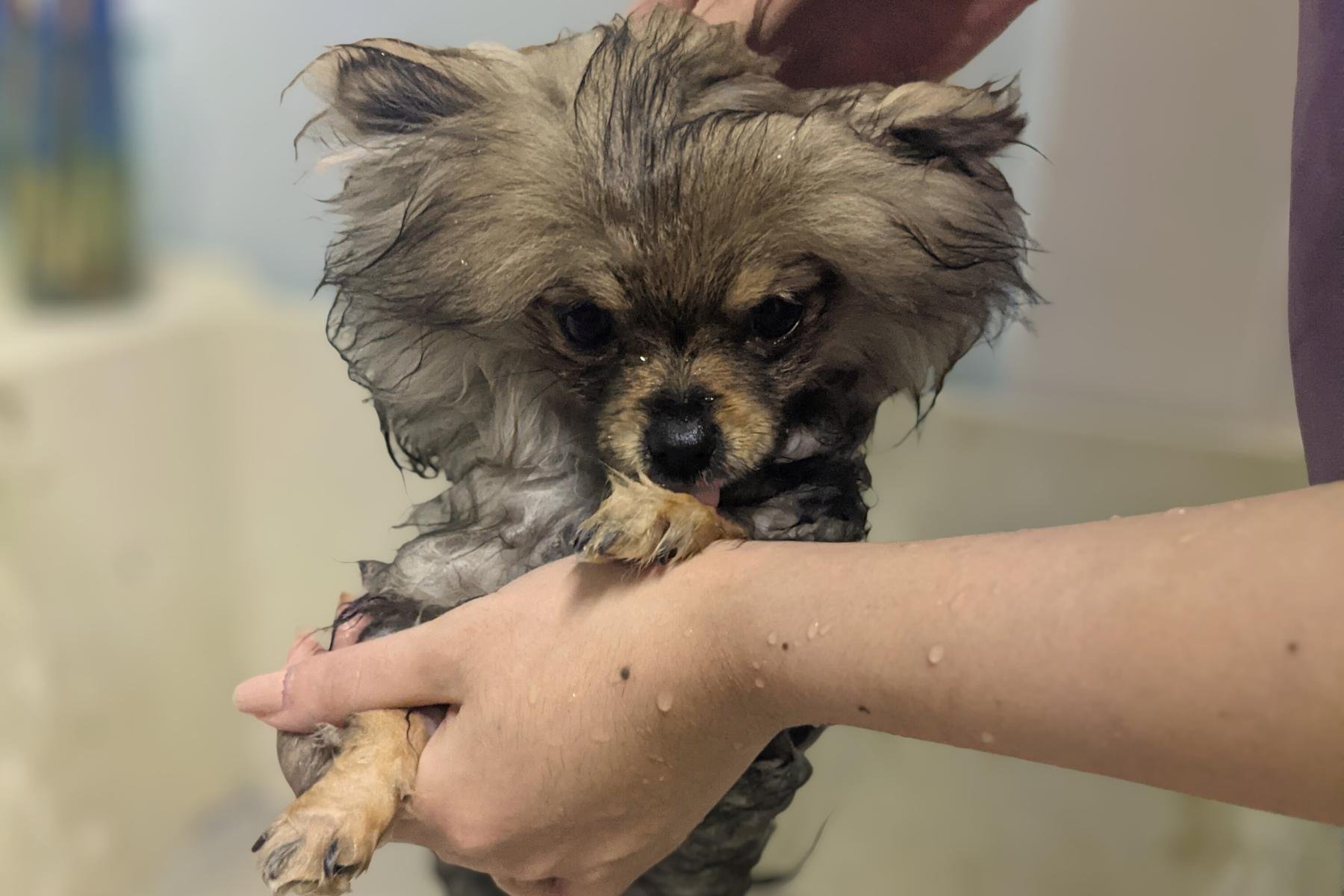
Bathing at the right frequency protects a Pomeranian’s double coat
Quick Answer
- Most Pomeranians do best with a bath every 3–4 weeks at home, timed between professional grooming visits
- Bathing too often strips natural oils and softens the coat structure, which makes matting worse. Waiting too long allows buildup to compact inside the undercoat
- The most important part, and the part most owners skip, is the post-bath blow dry
The frequency itself is straightforward. What trips most owners up is how that bath fits into the broader grooming rhythm, and what has to happen during drying for the schedule to actually work. Here's the full picture.
A Simple Framework That Works
Use this structure to plan bath times around your regular grooming schedule:
Groomer visit
Mid-cycle at-home bath (around week 3–4)
Groomer visit again
If your grooming cadence is shorter, your bath may fall sooner. If your grooming cadence is longer, you may still only need one home bath.
You’re not trying to deep-clean repeatedly. You’re preventing:
Product buildup
Dander compaction
Odor
Undercoat tangling
That’s it.
Why Bathing Frequency Is Different for Pomeranians
The Double Coat Changes the Math
Pomeranians have:
A dense, insulating undercoat
A longer protective guard coat
That undercoat traps debris and shed hair close to the skin.
If you wait too long between baths, that debris compacts. Brushing alone won’t fully remove it.
But if you bathe too frequently, especially without proper drying, the coat loses structure. The guard hairs soften. The undercoat clumps. Friction mats form behind the ears, in armpits, and at the base of the tail.
This breed requires balance.
What Actually Makes the Biggest Difference
How you bathe and dry your Pomeranian will make the biggest difference. What we’ve found works consistently:
Shampoo with a formula designed for your Pom’s coat
Thorough rinse
Gentle towel press, no aggressive rubbing
Lightweight conditioning spray*, not heavy cream conditioner
High-velocity dryer while line brushing with a proper long-pin slicker brush
The last step is extremely important. A Pomeranian should never air dry after a full bath.
Air drying:
Traps moisture in the undercoat
Encourages hidden matting
Softens coat structure
Irritates skin
If you’re choosing one tool that consistently protects the coat between grooming visits, it’s a high-velocity dryer. We wrote about exactly which one we use and why →
That’s what keeps the coat stable until the next groom.
When to Adjust the Schedule
Most Pomeranians do well on a consistent 3–4 week rhythm. A few situations call for a shorter interval:
| Situation | Recommended Frequency |
|---|---|
| Regular grooming schedule, healthy coat | Every 3–4 weeks |
| Heavy seasonal shedding / blowing coat | Every 2–3 weeks (short term) |
| Active outdoor lifestyle / pollen season | Every 2–3 weeks (short term) |
| Rolled in something / one-off incident | As needed, then back to schedule |
| Mild vet-cleared skin irritation | Every 2–3 weeks until resolved |
| Puppy under 6 months | Every 6–8 weeks |
| Senior dog with sensitive skin | Every 5–6 weeks |
Weekly bathing as a default routine usually creates more coat instability than it solves.
What to Avoid
These are the common mistakes that backfire:
Weekly baths
They strip natural oils and reduce guard coat resilience.Skipping the blow dry
Moisture left in the undercoat is a matting trigger.Using heavy conditioners
Pomeranian coats need lift, not weight.Bathing without brushing afterward
Water expands the undercoat. If you don’t brush during drying, tangles set deeper.
How to Know It’s Working
A healthy bathing rhythm results in:
Coat staying airy between grooms
Brushing sessions staying manageable
Minimal odor
No sticky or greasy texture
Calm-looking skin
If brushing becomes harder week by week, either you’re waiting too long between baths or you’re not drying thoroughly.
When to See a Professional
If you notice:
Persistent odor within a week
Thickened or darkened skin
Bald patches
Excessive scratching
Coat that feels gummy or sticky
That’s no longer maintenance. Your groomer or veterinarian should assess before you increase bathing frequency.
Final Thoughts
For most Pomeranians on a regular grooming schedule:
One well-executed bath at home every 3–4 weeks is enough.
More isn’t better. Less isn’t always better either.
What protects a Pomeranian coat long term is:
Consistency
Proper drying
Supporting professional care, not trying to replace it
If you want the exact tools that make this mid-cycle bath effective (and prevent undoing your groomer’s work), start with our Grooming Tools guide. It’s the foundation of everything else.
If you're also managing dander between baths, this is the air purifier we use in our home.
